

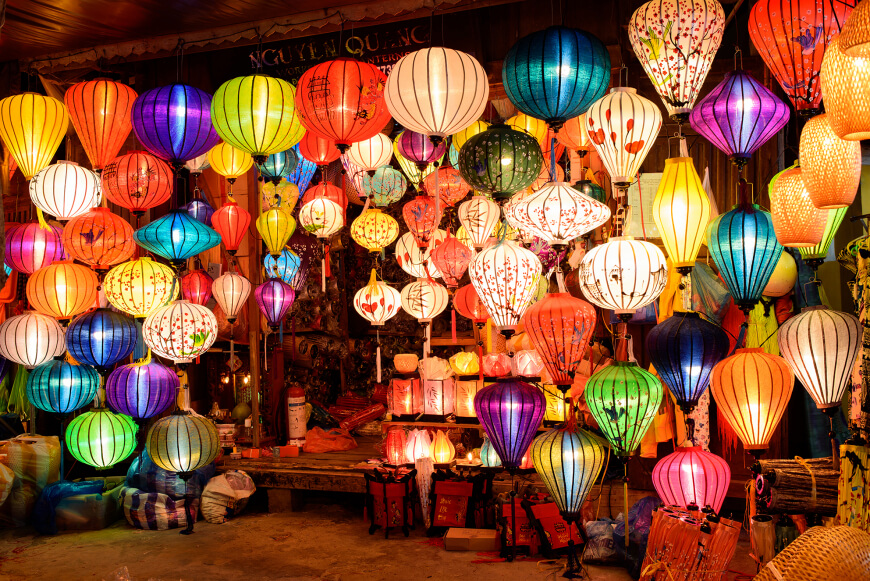
Hoi An is a place where time lingers and stories unfold through every lantern-lit alley.
Once a bustling international port in the 18th century, Hoi An welcomed traders, artisans, and explorers from across the globe. Languages echoed through its narrow streets, while ideas and craftsmanship flowed freely. Hoianese ceramics found their way to markets as distant as Egypt and Portugal. Today, the town’s rich cultural blend lives on in its iconic landmarks — from the gracefully arched Japanese Bridge to centuries-old Chinese temples — each telling a tale of Vietnamese, Japanese, Chinese, and European influences woven into the fabric of daily life.
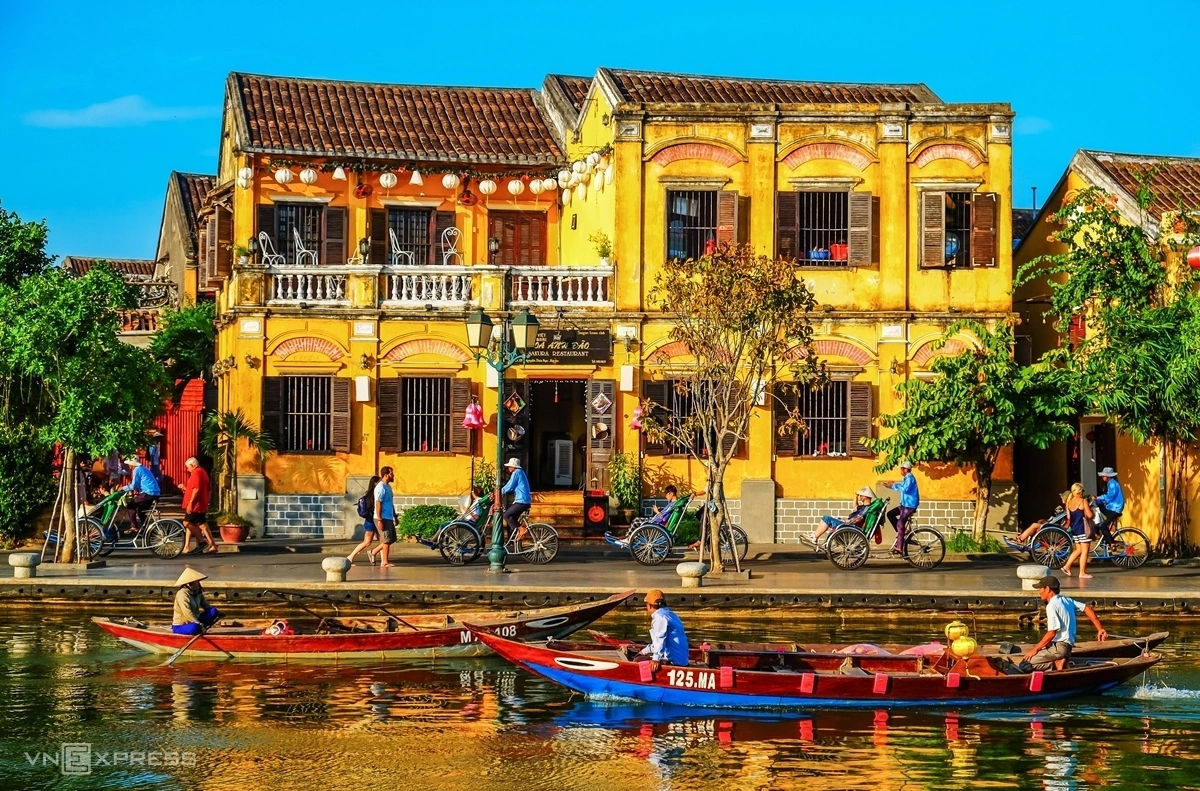
As the sun begins to set, the town slips into a gentle hush. The air is laced with the scent of incense and sweet herbs from nearby kitchens, where pots bubble softly over open flames. Along the riverbank, boats painted in peeling pastels rock gently with the current, waiting to take travelers on lantern-lit journeys beneath a velvet sky. Beyond the ancient streets, quiet village paths lead to coconut groves and sleepy fishing hamlets, where time slows even more, and the rhythm of life follows the tides. Hoi An isn’t just a destination — it’s a feeling, wrapped in golden light and carried on the breeze.
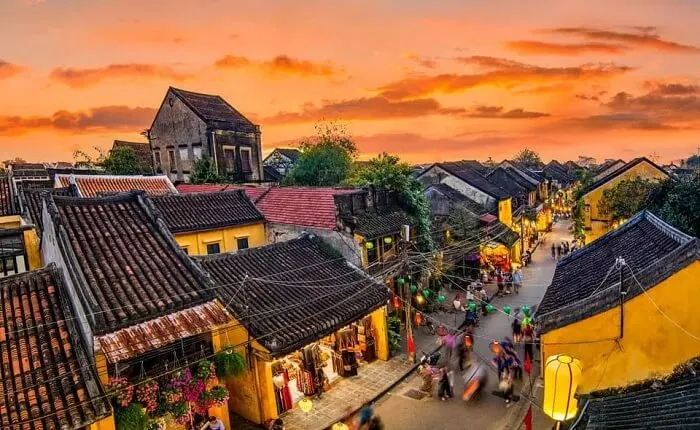
Declared a UNESCO World Heritage Site in 1999, Hoi An continues to preserve the charm and soul of its vibrant trading past. With its lantern-lit streets, centuries-old architecture, and peaceful riverbanks, the town naturally inspires creativity. Whether you’re a seasoned photographer or a casual traveler with a smartphone, Hoi An has a way of turning every moment into a frame-worthy memory. From iconic landmarks to hidden corners, here are the top Instagrammable places in Hoi An — perfect for your next photo adventure or travel diary.

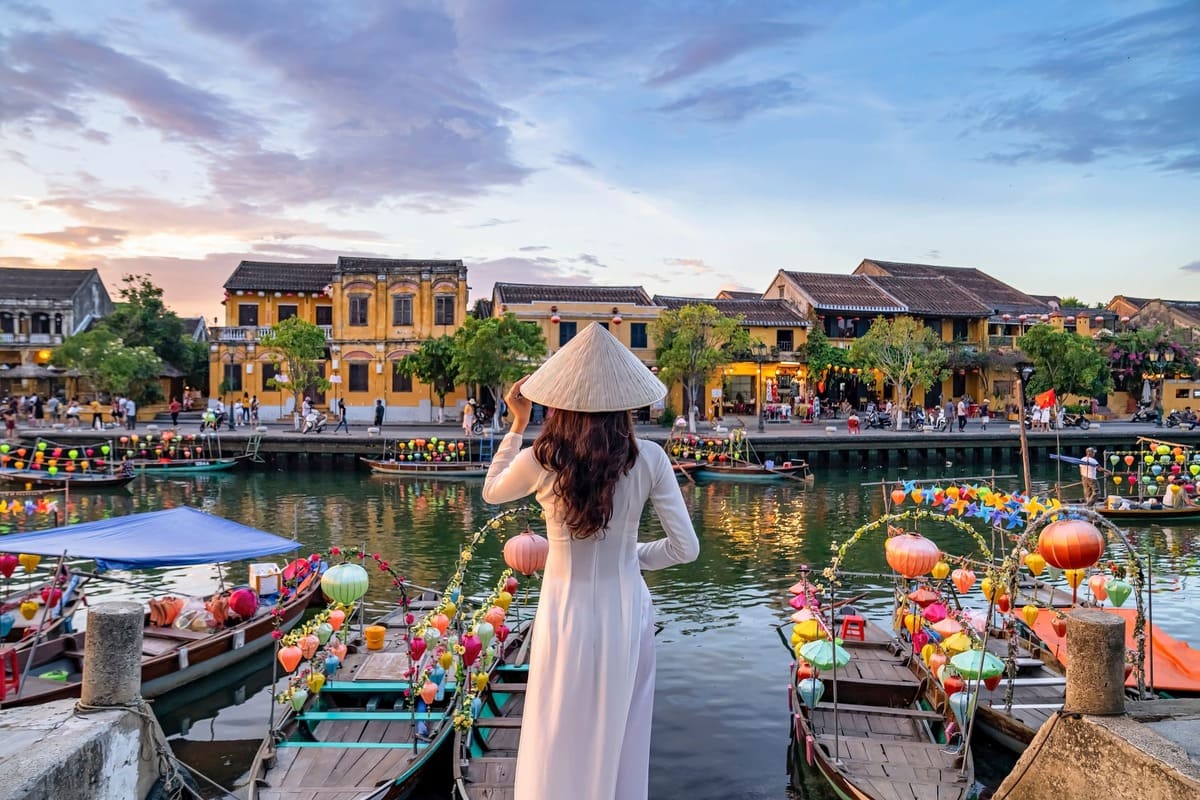
Japanese Covered Bridge
One of the most iconic landmarks in Hoi An, the Japanese Covered Bridge — known locally as Chùa Cầu — dates back to the 16th century. Originally constructed to link the Japanese and Chinese communities in the ancient trading port, this beautifully preserved wooden bridge is a symbol of cultural harmony and craftsmanship. On the northern side sits a small temple dedicated to the Taoist God of Weather, believed to protect the town from natural disasters. So beloved is this bridge that it even appears on Vietnam’s 20,000 VND banknote, standing as a proud reminder of Hoi An’s rich heritage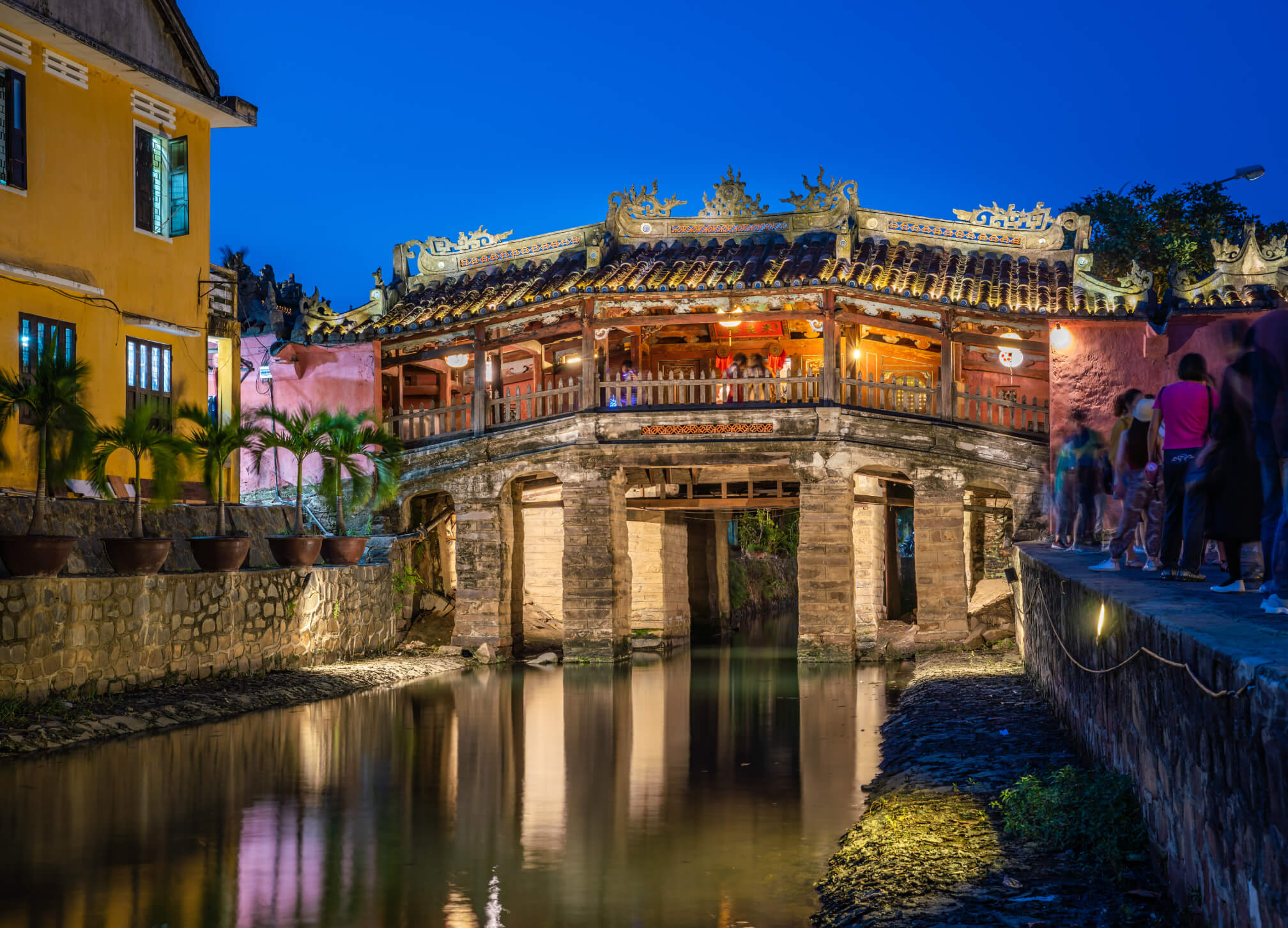

For the best results, bring a wide-angle lens or use your phone’s ultra-wide mode to fully capture the bridge’s graceful curve and its peaceful surroundings. Step back across the riverbank for a postcard-perfect shot that includes both the bridge and the warm-toned buildings that frame it. If you’re lucky enough to visit during the lantern festival, the reflection of floating lights beneath the bridge adds an extra layer of magic to your photos. Whether you’re shooting in daylight or under the glow of evening lanterns, the Japanese Covered Bridge remains one of the most photogenic spots in Hoi An — a must-visit for any travel itinerary or Instagram feed.
The Iconic Yellow Walls of Hoi An
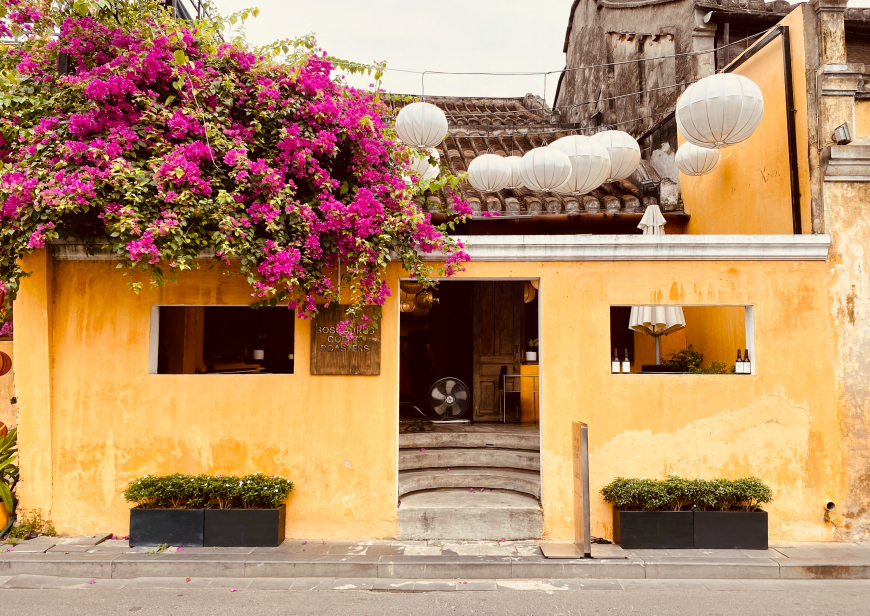
Few places in the world are as instantly recognizable as the golden streets of Hoi An. The city’s distinctive yellow walls — in shades of saffron, sunflower, and buttercup — have become the signature backdrop for countless photographs. As you wander through the winding alleys of the Old Town, these timeworn facades seem to glow beneath the tropical light, etched with history and softened by age. Blue and green shutters swing open above cobbled paths, while layers of peeling paint reveal stories beneath the surface.

These alleys are a playground for photographers. Their narrowness creates striking perspective shots, while the vibrant yellow provides the perfect contrast for colorful outfits. Dress in bold tones — like poppy red or emerald green — to make your subject stand out. Set up your frame and wait patiently; a passing bicycle or a woman in a flowing ao dai will bring your photo to life, capturing the essence of everyday elegance in Hoi An. Whether you’re shooting wide scenes or close-up textures, the yellow walls offer an irresistible canvas for creative travel photography.
Temples of Old Town Hoi An
Tucked away behind mustard-yellow facades and lantern-strung alleyways, the temples of Hoi An Old Town offer quiet moments of reflection and stunning photographic detail. Blending Chinese, Vietnamese, and even Hindu architectural influences, these sacred spaces are a feast for the eyes — and the lens. Step through intricately carved gates into leafy courtyards where incense curls through the air, red and gold calligraphy glows against ancient wood, and the silence is broken only by the soft clang of a gong or the chant of a prayer.
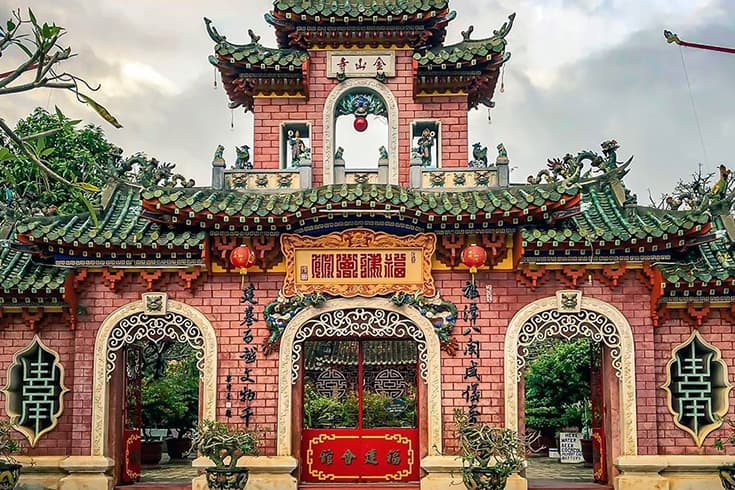
Many temples are free to enter, while others may require a small entrance fee as part of the Old Town ticket. Look closely, and you’ll spot Daoist trigrams, Buddhist drums, painted altars, and dragon statues that seem to breathe life into every corner. Some of these religious sites date back to the 14th and 15th centuries — predating Hoi An’s golden age as a trading port. And if you venture a little farther afield, remnants of the Hindu-influenced Champa Kingdom still whisper through sites like the My Son Sanctuary, a UNESCO-listed treasure not far from the town.